Preparing for your first facial aesthetics appointment
What to consider before your first visit
Arranging a first appointment in facial aesthetics can feel like a step into unfamiliar territory. You may have read about treatments, seen results on others, and wondered whether they would suit you. Taking time to prepare beforehand helps you feel more confident and ensures you get the most out of the consultation. Below is a practical checklist to run through before you walk through the door.
Understand your own skin concerns and goals
Before any practitioner can advise you, you need to be clear about what you hope to address. Are you looking to soften fine lines around your eyes, restore volume in your cheeks, or improve the overall texture of your skin? Different treatments target different layers and structures. For example, wrinkle-relaxing injections work on dynamic lines caused by muscle movement, while dermal fillers add volume to areas that have lost fullness. Knowing your specific skin concerns helps the practitioner recommend a treatment plan tailored to you, rather than a one-size-fits-all approach.
Research the clinic and the practitioner
Not all clinics or practitioners have the same level of training or experience. Look into who will be treating you. Check their qualifications and whether they are registered with a recognised professional body. In the UK, practitioners in facial aesthetics often come from medical, dental, or nursing backgrounds. You can search for clinics in your area through a directory such as aestheticdirectory.co.uk, which lists providers and helps you compare options. Read through reviews and any profiles available. A good practitioner will be transparent about their credentials and happy to discuss them during the consultation.
Consider your medical history and current health
Your medical background plays a crucial role in determining treatment suitability. Conditions such as autoimmune disorders, certain allergies, or a history of cold sores can influence which treatments are safe for you. Pregnancy and breastfeeding are also times when most practitioners advise against aesthetic injections. Be ready to discuss any medications you take, including over-the-counter supplements like fish oil or vitamin E, which can affect bruising. Honesty here protects you and helps the practitioner avoid complications.
Ask about the treatment plan and expected results
A thorough consultation includes a detailed facial analysis. The practitioner should examine your face from different angles, assess your skin tone and texture, and discuss the natural ageing process as it applies to you. They will then outline a proposed treatment plan that addresses your concerns while maintaining a natural look. Ask about what results you can realistically expect, how long they typically last, and what the recovery involves. Some treatments show immediate effects, while others take a week or more to fully settle. Understanding this timeline prevents disappointment and helps you plan accordingly.

Clarify the costs and any follow-up care
While the article avoids discussing specific prices, it is reasonable to ask for a clear breakdown of costs during the consultation. Some clinics include follow-up appointments in the initial fee, while others charge separately. You should also ask about what happens if you are not satisfied with the result or if a touch-up is needed. A responsible practitioner will explain their policy on revisions and aftercare. Knowing this upfront means there are no surprises later.
What to expect during the consultation itself
The consultation is not just a formality. It is your opportunity to ask every question on your mind and to gauge whether the practitioner listens carefully. A good consultation should feel like a two-way conversation, not a sales pitch. The practitioner should explain the risks, benefits, and alternatives to any proposed treatment. They should also show you evidence of their work, such as before-and-after photographs, but with respect to patient privacy and without making exaggerated claims.
During the facial analysis, the practitioner may use a handheld mirror or digital imaging to show you how certain changes could look. This is a useful moment to ensure your expectations align with what is achievable. If a practitioner promises dramatic changes that sound too good to be true, it is wise to pause and seek a second opinion.
Red flags to watch out for
Not every clinic operates to the same standard. Be wary of practitioners who offer to treat you without a face-to-face consultation first. Remote prescribing for injectable treatments is generally not considered safe practice in the UK. Avoid clinics that pressure you into booking on the day or that downplay the risks of a procedure. A reputable practitioner will never rush you into a decision. Similarly, if the premises do not look clean or professional, trust your instincts. Your safety should always come first.

Another warning sign is a practitioner who cannot clearly explain what product they will use and why. Branded products have different properties and are suited to different areas of the face. A vague answer suggests a lack of experience or a disregard for personalised care.
Preparing on the day of your appointment
On the day of your treatment, there are a few simple steps you can take to make the experience smoother. Avoid alcohol for at least 24 hours beforehand, as it increases bruising. If you bruise easily, some practitioners recommend taking arnica tablets in the days leading up to the appointment, but check with them first. Arrive with a clean face, free from makeup and skincare products, so the practitioner can see your skin clearly. Wear comfortable clothing and be prepared to spend a little longer than the actual injection time, as the consultation and paperwork can take a while.
If you feel nervous, that is normal. Many people are anxious before their first treatment. Tell the practitioner how you are feeling. They can explain the process step by step and use techniques to minimise discomfort, such as applying a topical numbing cream or using a vibrating device during the injection. A good practitioner will prioritise your comfort throughout.
Aftercare and what comes next
After the treatment, the practitioner should give you clear aftercare instructions. These typically include avoiding vigorous exercise, heat exposure such as saunas or sunbeds, and touching or massaging the treated area for a set period. They should also tell you what side effects to expect, such as mild swelling, redness, or tenderness, and how to manage them. Most side effects resolve within a few days, but if you have concerns, you should feel able to contact the clinic for advice.
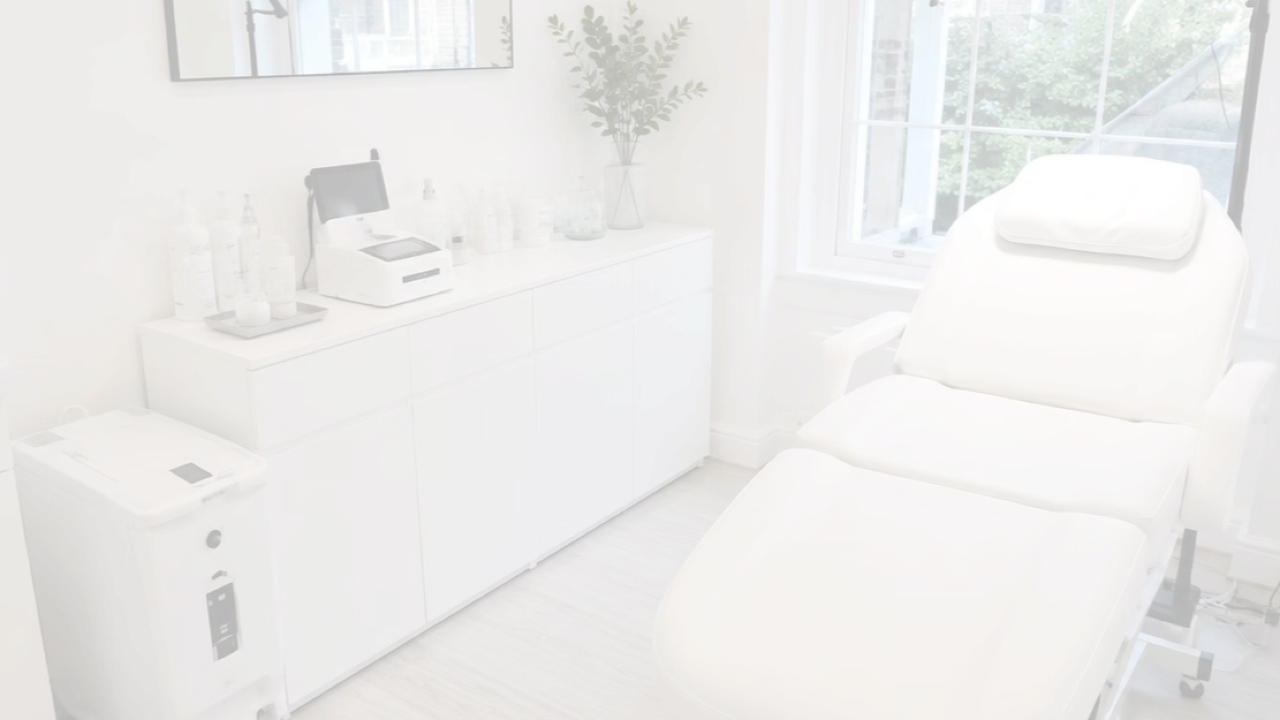
Keep a note of your treatment details: the product used, the batch number, and the amount injected. This information is useful for future visits and for any follow-up care. A good clinic will provide this information as part of your records.
Finally, remember that facial aesthetics is a field where subtlety often delivers the best results. A skilled practitioner aims to enhance your features without making it obvious that you have had work done. Taking the time to prepare properly, ask the right questions, and choose a qualified professional through a trusted resource like aestheticdirectory.co.uk sets the foundation for a positive experience. Your face deserves careful consideration, so do not rush the process.